 English
 中文简体
中文简体 Español
 عربى
عربى русский
Exterior Aluminum Composite Panel for Building Facades
Exterior Aluminum Composite Panel has become a practical material option for architectural facade projects. Its layered construction combines aluminum surfaces with a core material, creating panels that can be processed into different shapes and installed across various parts of a building envelope.
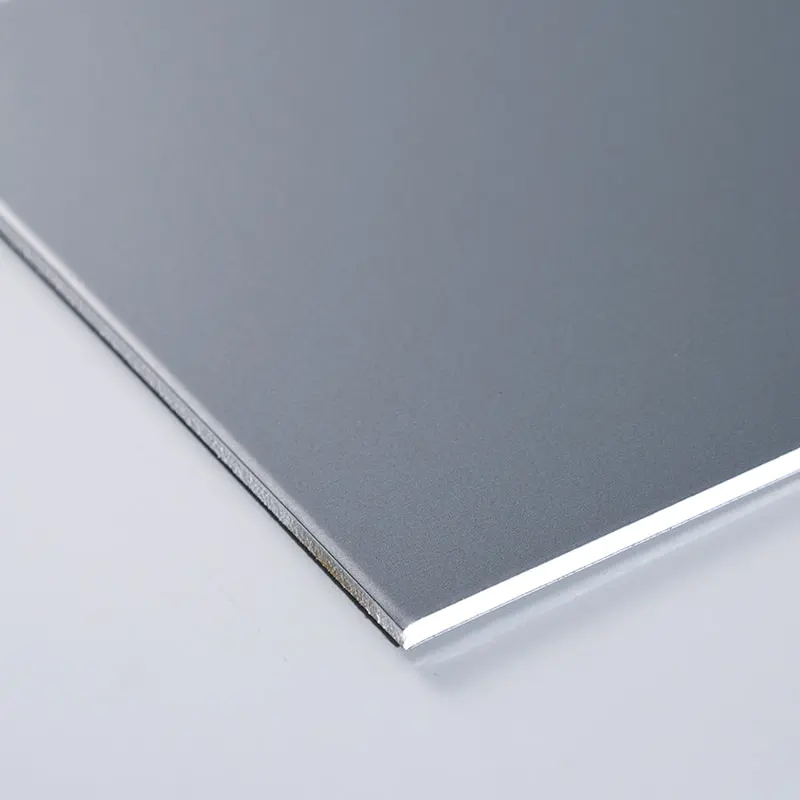
For architects and project buyers, the appeal of aluminum composite panels often comes from the combination of visual flexibility and practical handling. A facade can use solid colors, metallic surfaces, brushed textures, wood grain patterns, or stone inspired finishes according to the architectural concept.
The finish is not simply a decorative choice. It also needs to correspond with the outdoor environment, building location, cleaning requirements, and coating specification.
Applications Across Building Types
Exterior Aluminum Composite Panel can be used on commercial buildings, office buildings, retail spaces, residential projects, and public architecture.
Commercial facades may use clean solid colors to create a coordinated building appearance. Retail buildings can introduce metallic or decorative finishes around entrances, display areas, and feature walls.
Office architecture may combine several panel colors or surface effects across different facade sections. Residential projects can use wood grain or stone inspired surfaces to create a warmer appearance.
Panels can also be applied around entrance structures, canopies, columns, parapets, and selected architectural details when the supporting construction is designed for ACP installation.
Surface Finish Options
The surface finish has a direct effect on the appearance of an exterior facade.
Solid color finishes provide a consistent visual field. Matte surfaces have a softer appearance with reduced reflection, while gloss surfaces create a brighter visual effect.
Metallic finishes interact with daylight and can create changes in visual appearance according to the viewing angle. Brushed finishes introduce linear texture and require attention to grain direction during installation.
Wood grain finishes can create a natural material appearance. Stone and marble patterns provide another decorative approach for projects that require a textured architectural concept.
Panel Structure and Processing
An aluminum composite panel generally contains aluminum layers and a core. The combination provides a panel format that can be cut, routed, folded, and fabricated for facade construction.
During project planning, buyers should consider panel dimensions, aluminum skin specification, core type, surface coating, and fabrication requirements together.
Panel processing also influences the final facade appearance. Cut edges, folded sections, corners, and joints need to be considered in the design stage.
For projects involving complex facade geometry, fabrication drawings can help coordinate panel shapes with windows, doors, columns, and other architectural features.
Coordinating ACP With Other Materials
Exterior Aluminum Composite Panel can be combined with glass, stone, concrete, wood, and other facade materials.
A metallic ACP surface may complement glass and architectural metalwork. Wood grain panels can create a contrast with concrete or stone. Matte surfaces can provide a quieter appearance when used beside reflective materials.
Color coordination is also important. The selected ACP color should be reviewed alongside the actual facade materials rather than evaluated in isolation.
Physical samples can help designers compare surface texture, gloss, color, and reflection under suitable lighting conditions.
Environmental Conditions
Exterior facade panels are exposed to sunlight, rain, humidity, wind, dust, and temperature changes.
UV exposure can affect the appearance of coatings over time, so the coating system should be selected according to the intended outdoor environment.
Rain can carry dust and pollutants onto the surface. Buildings in busy urban areas may therefore require regular cleaning.
Coastal projects can involve salt exposure and higher humidity. Such conditions should be considered when selecting aluminum surface protection and the overall facade system.
Fire and Building Requirements
Facade projects also require attention to fire safety. The core material, coating system, insulation, subframe, cavity, weather barrier, and fire barrier can all form part of the building envelope.
An ACP panel should therefore be evaluated as part of the intended wall assembly. Local building regulations and project specifications should guide material selection.
Buyers can request relevant technical documents and test information when fire performance is part of the project requirement.
Facade Planning
A successful facade design requires coordination between panel selection and installation planning.
Joint locations, panel orientation, corners, openings, drainage paths, and support structures should be considered before fabrication.
The final selection of an Exterior Aluminum Composite Panel should reflect the building design, environmental conditions, coating requirements, fire considerations, installation system, and maintenance plan.
-
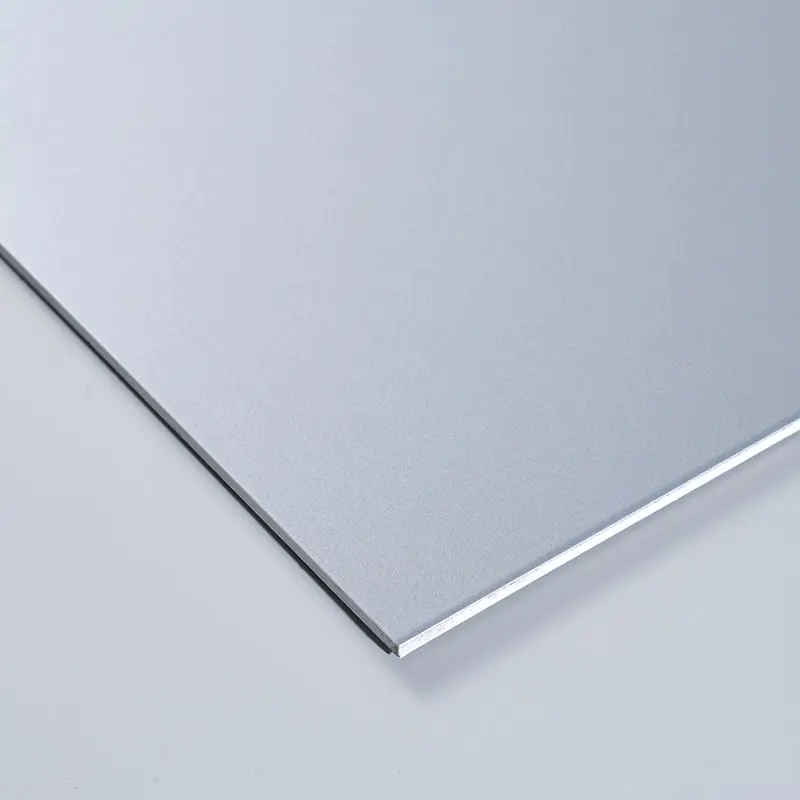
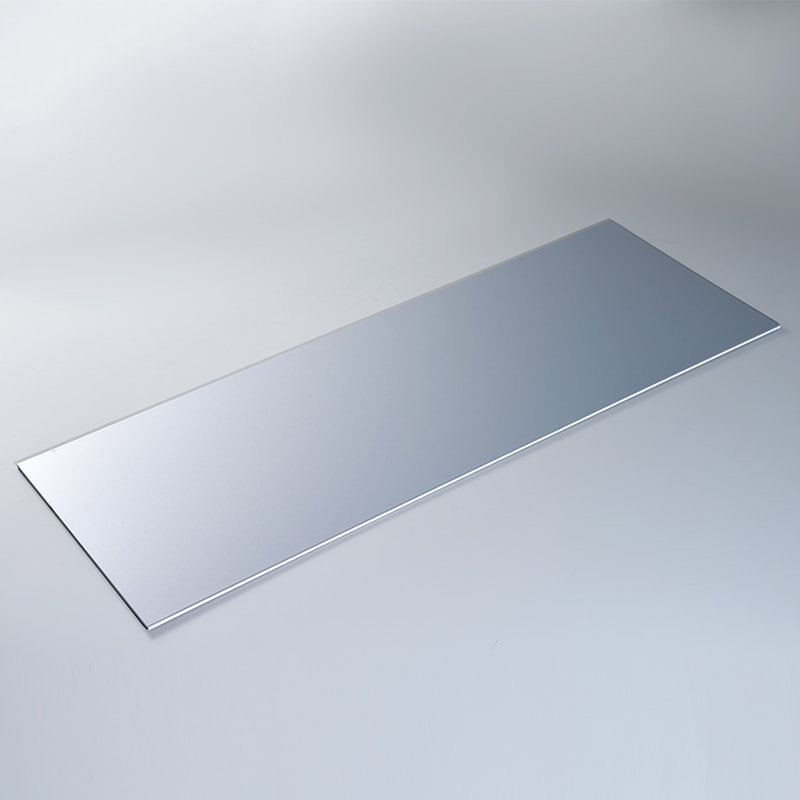 Алюминиевая композитная панель B1 с классом огнестойкости
 -
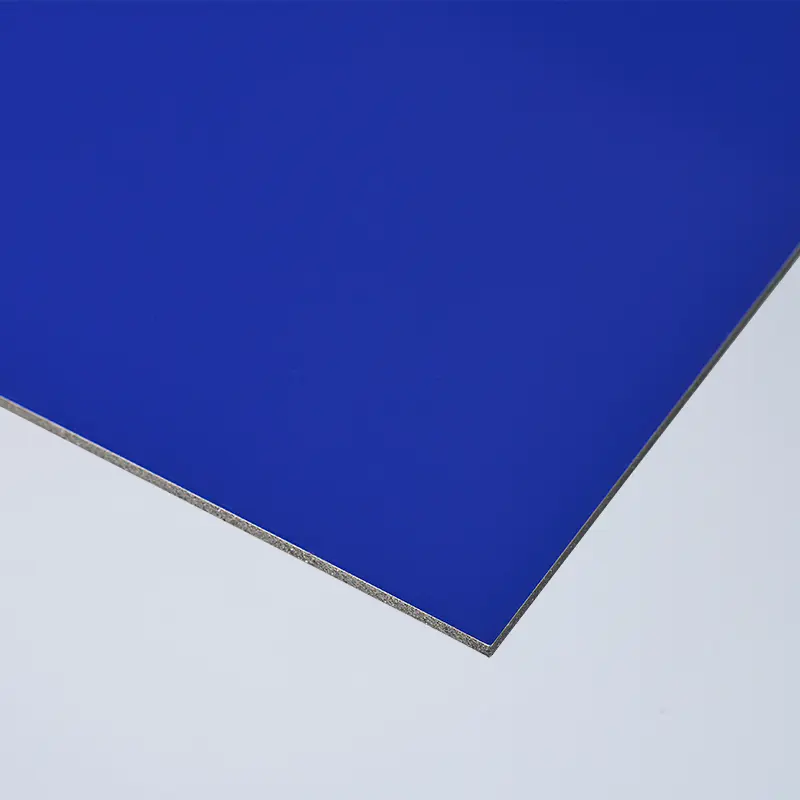
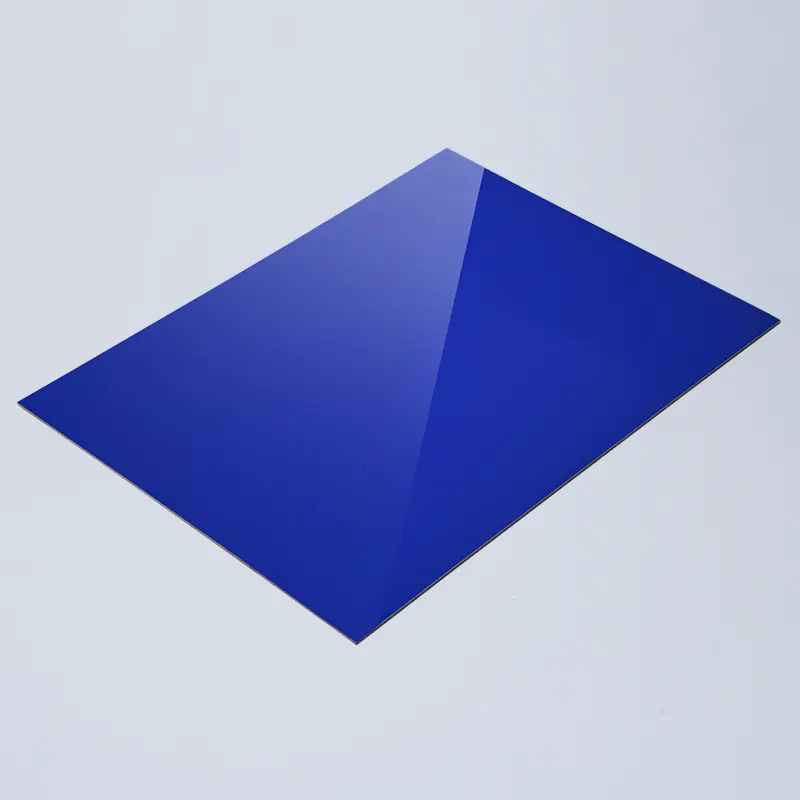 Вывеска светового короба Алюминиевая композитная панель
 -
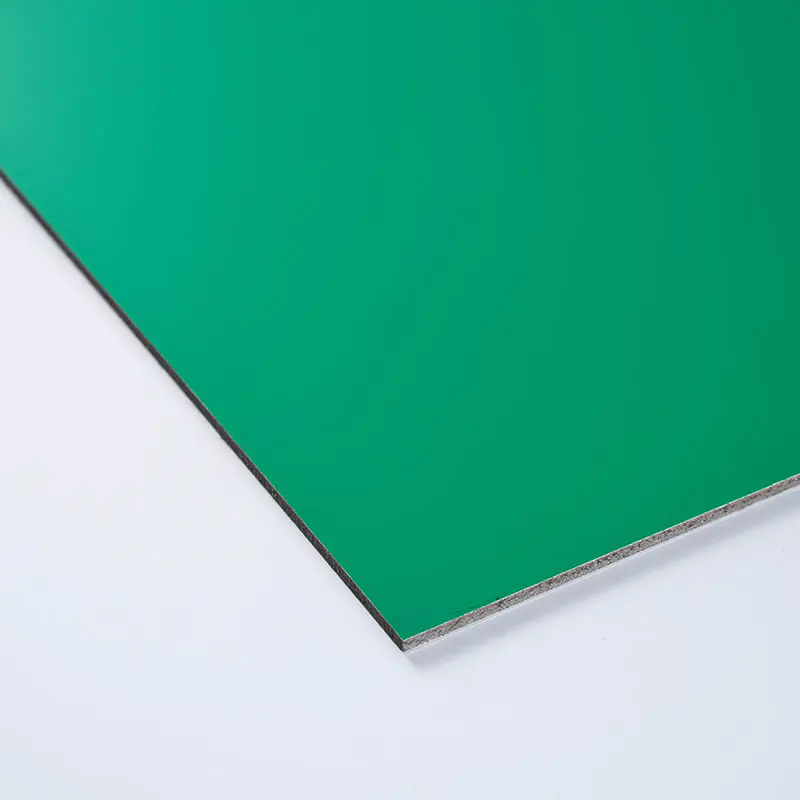
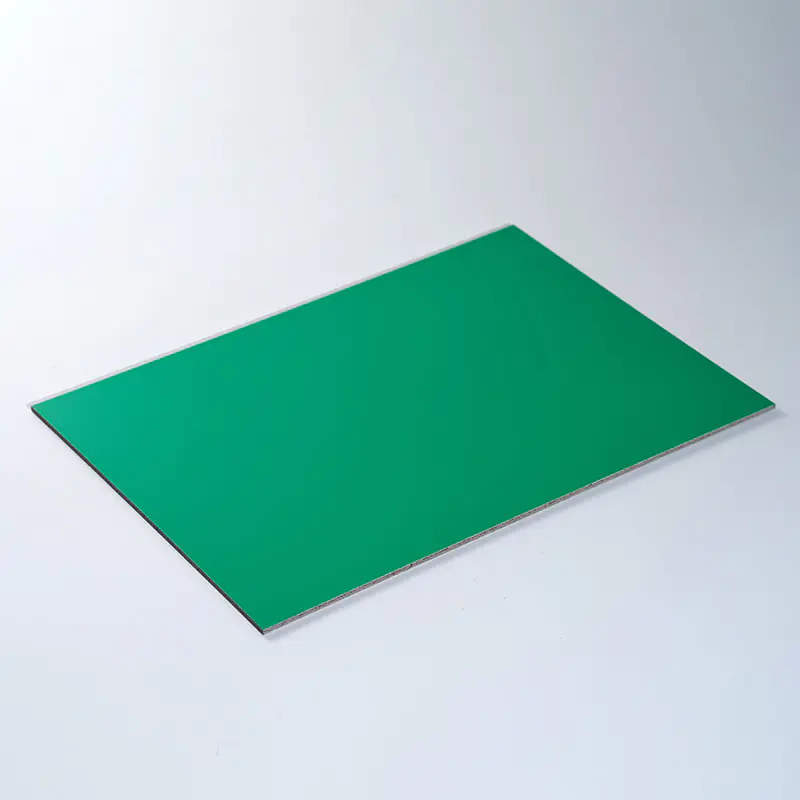 Алюминиевая композитная панель для общих вывесок
 -
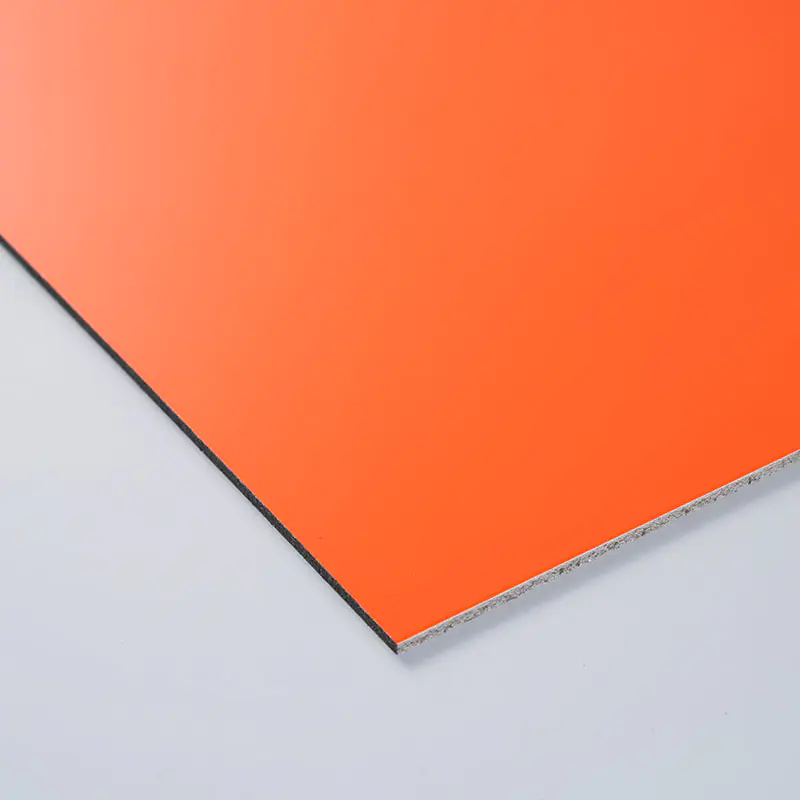
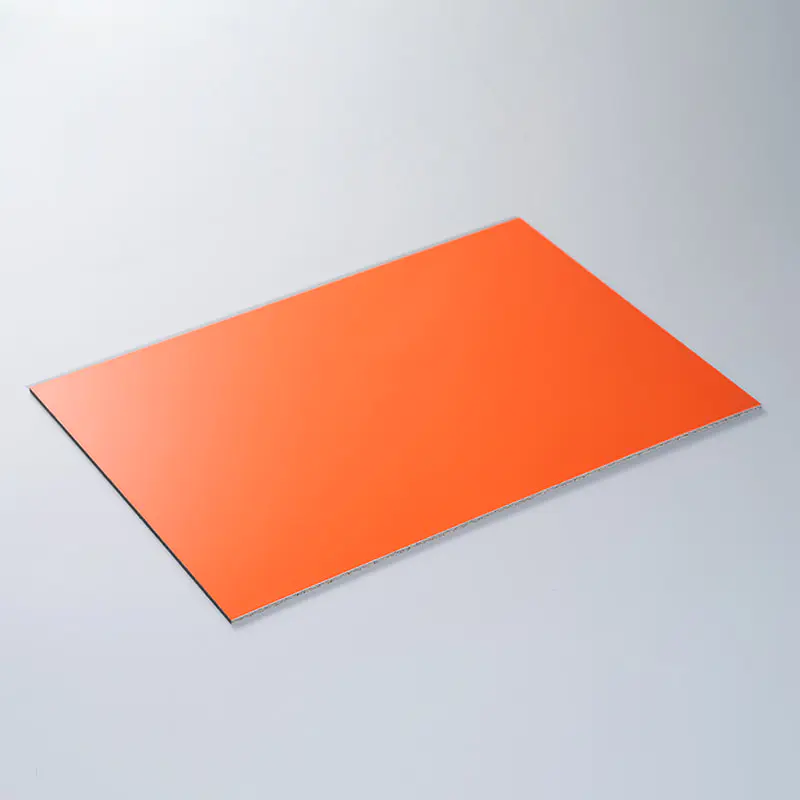 Композитная панель из полиэтилена и алюминия
 -
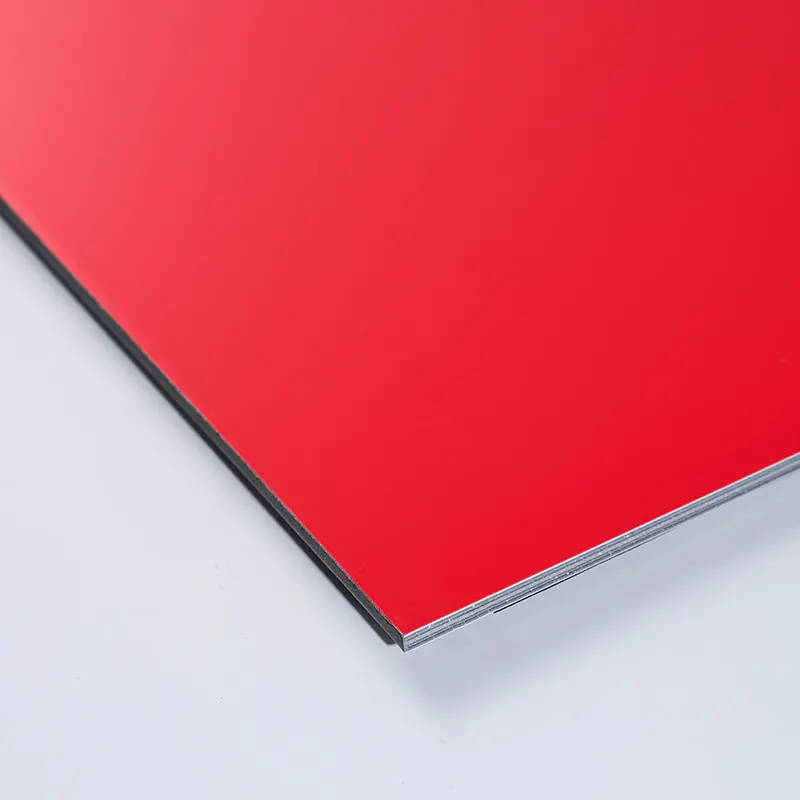
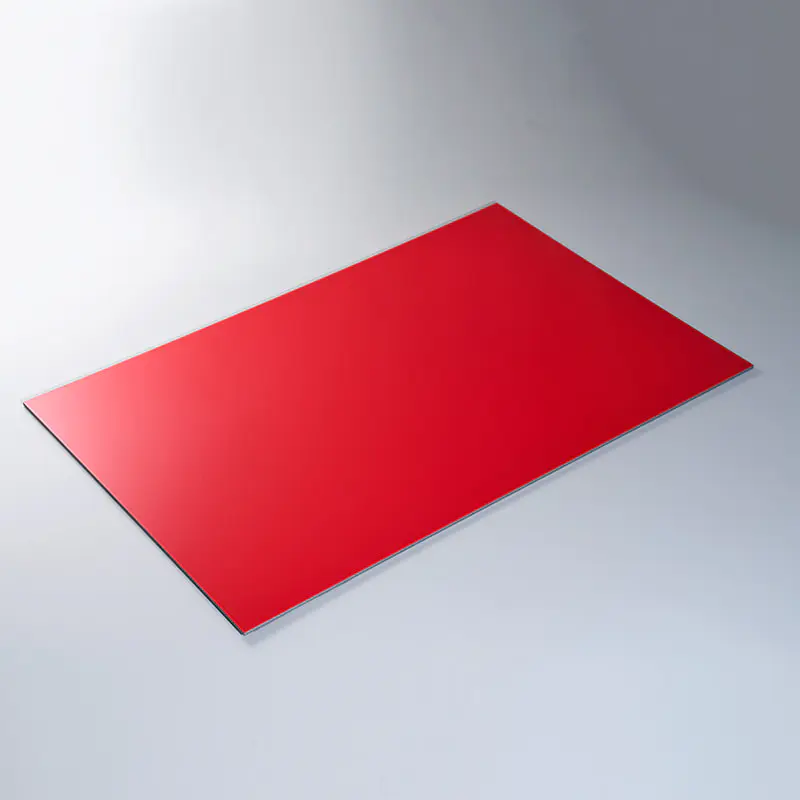 Композитная алюминиевая панель ПВДФ
 -
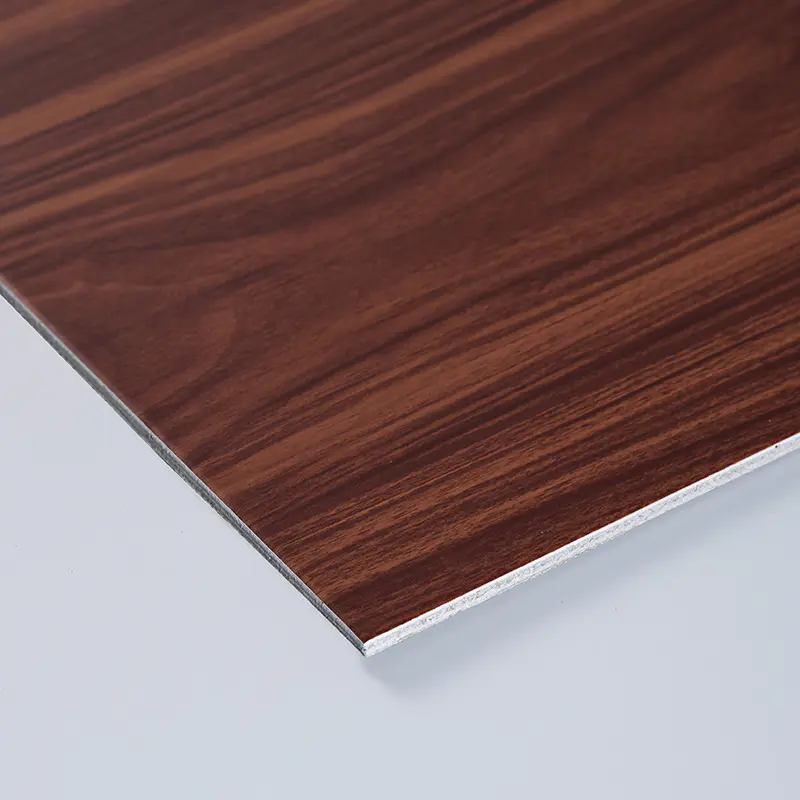
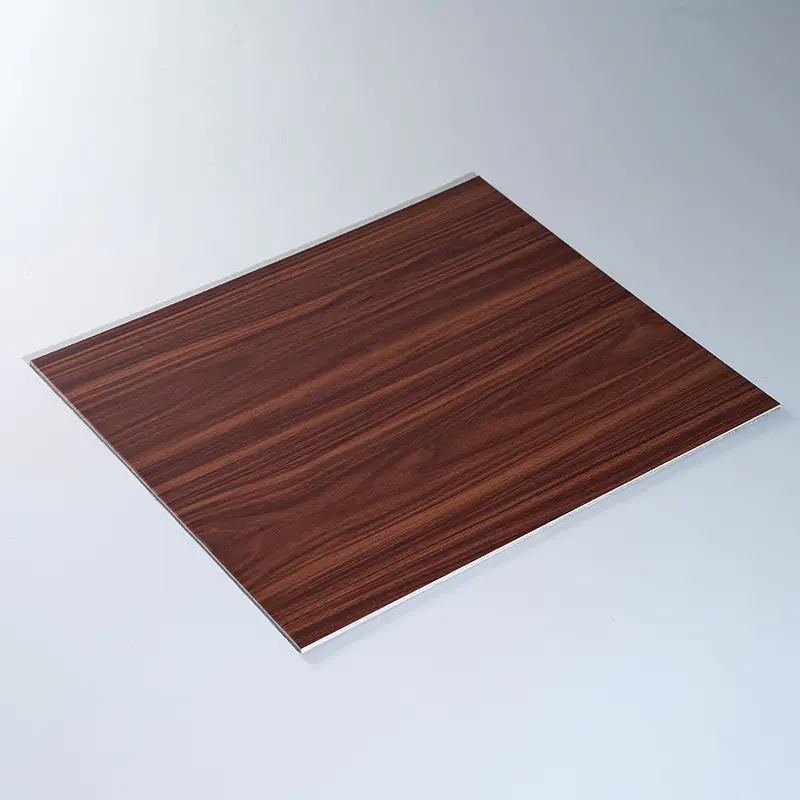 Алюминиевая композитная панель с текстурой дерева
 -
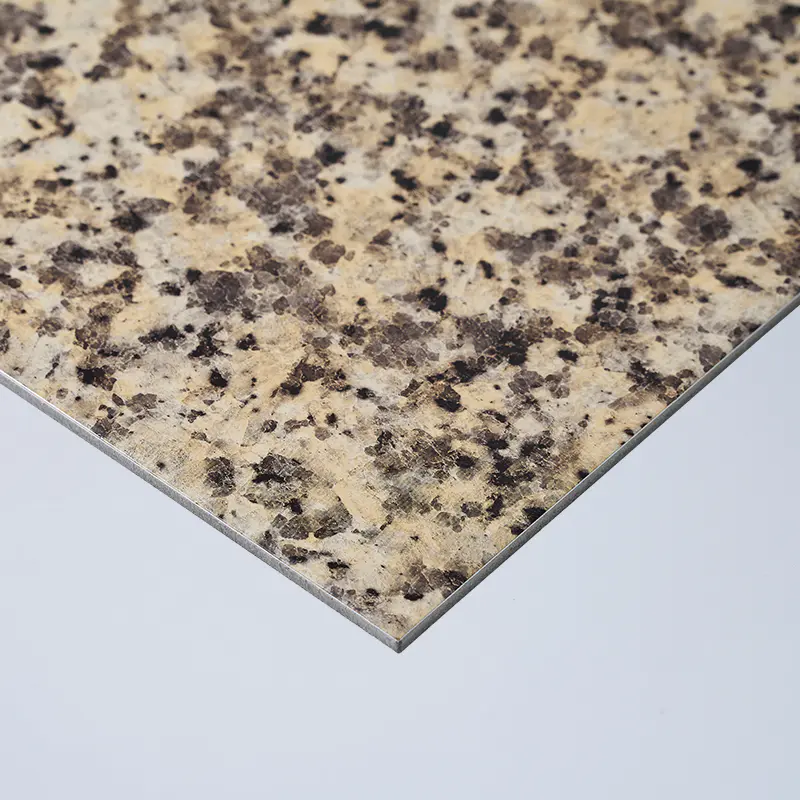
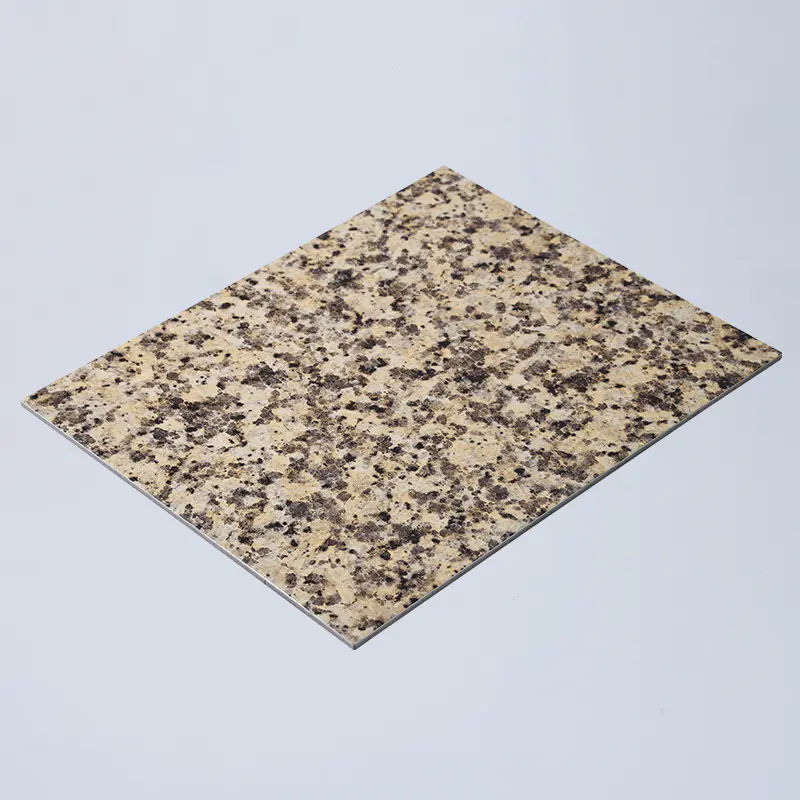 Алюминиевая композитная панель с гранитной отделкой
 -
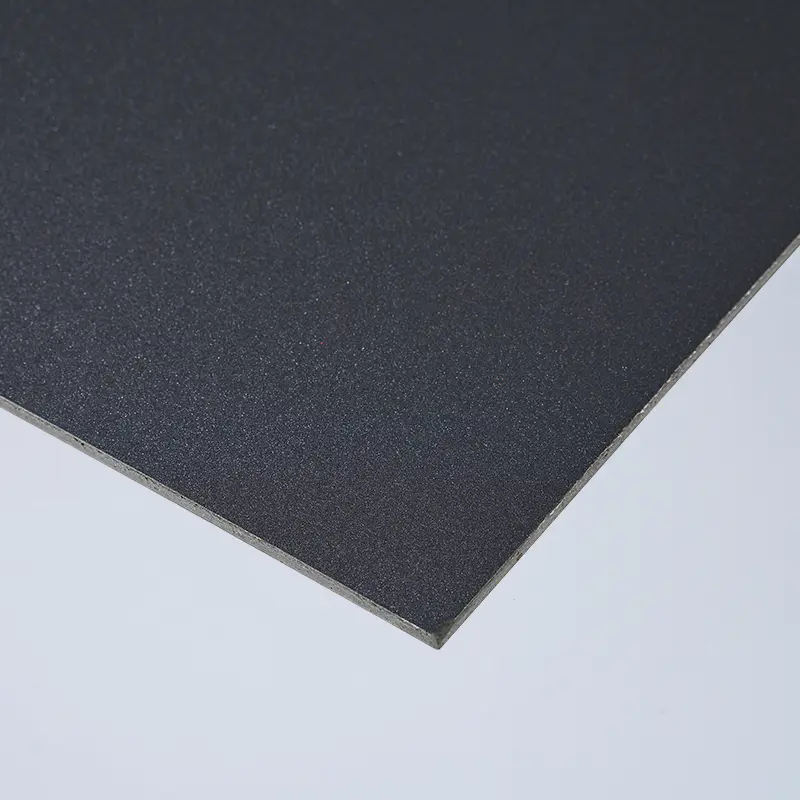
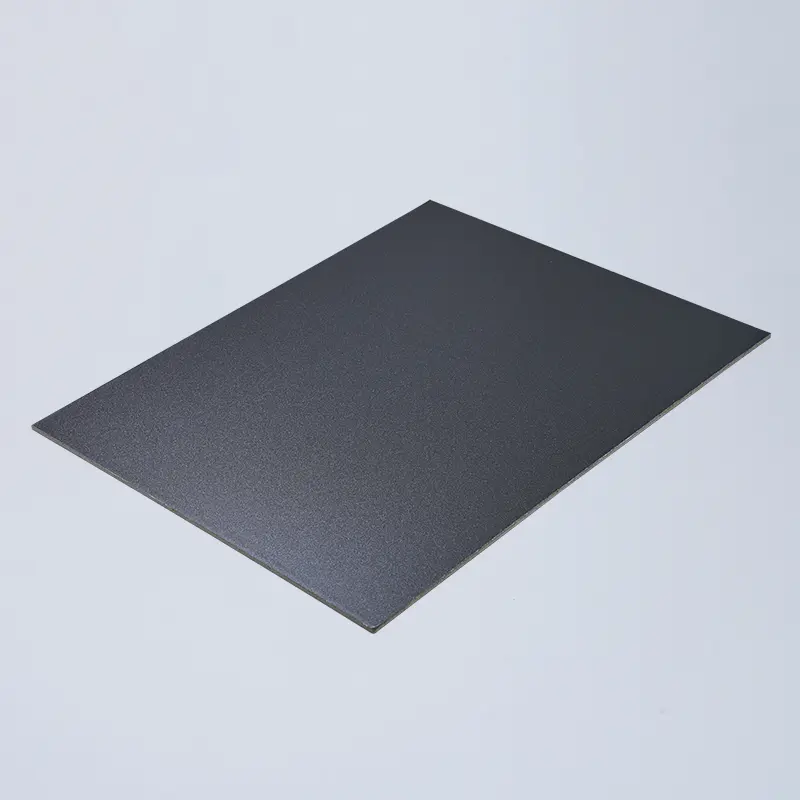 Перламутровая алюминиевая композитная панель
 -
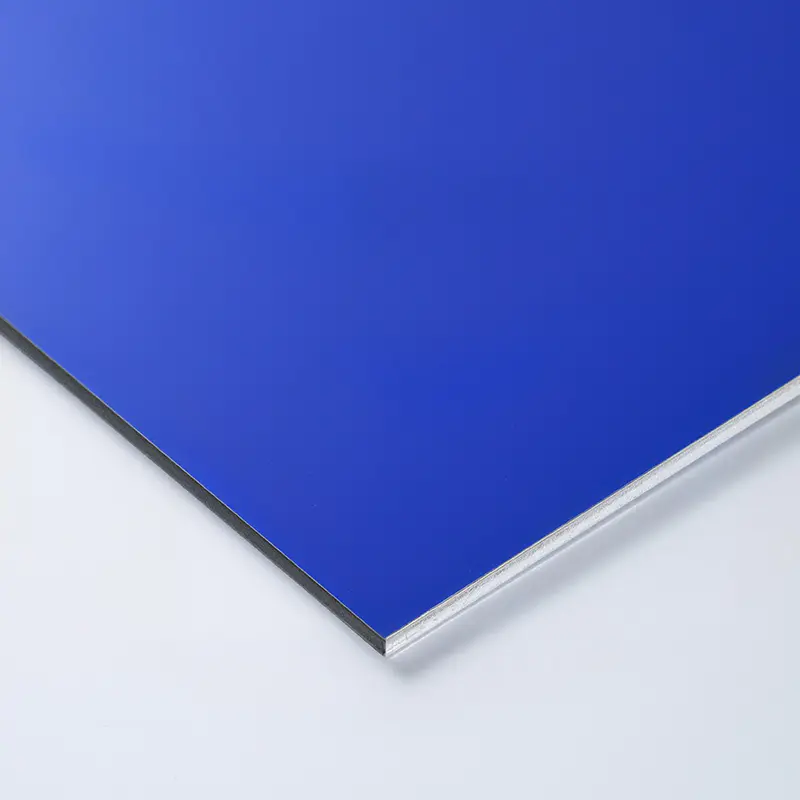
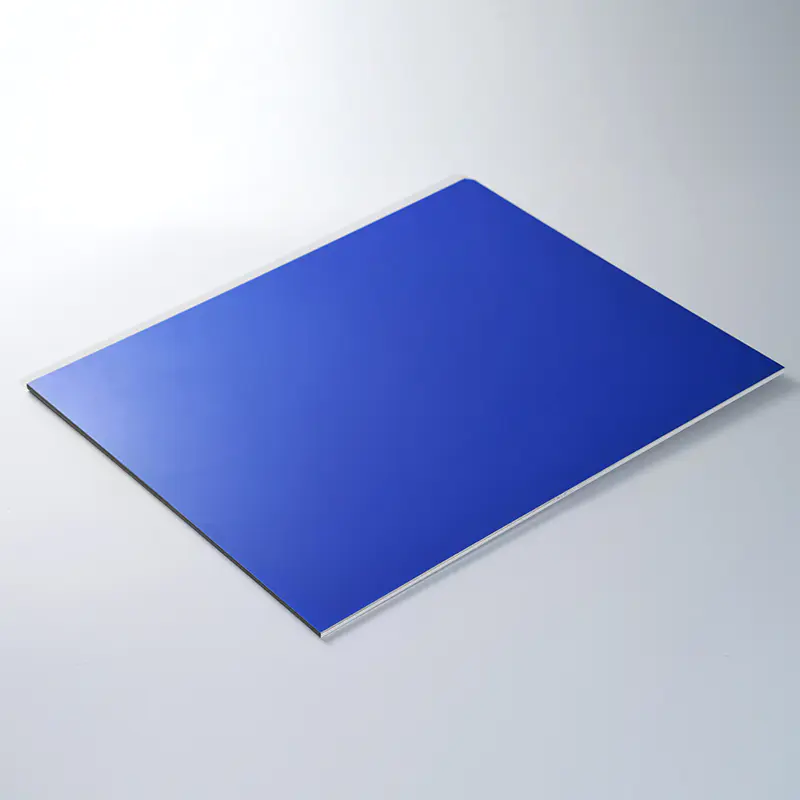 Алюминиевая композитная панель с матовой отделкой
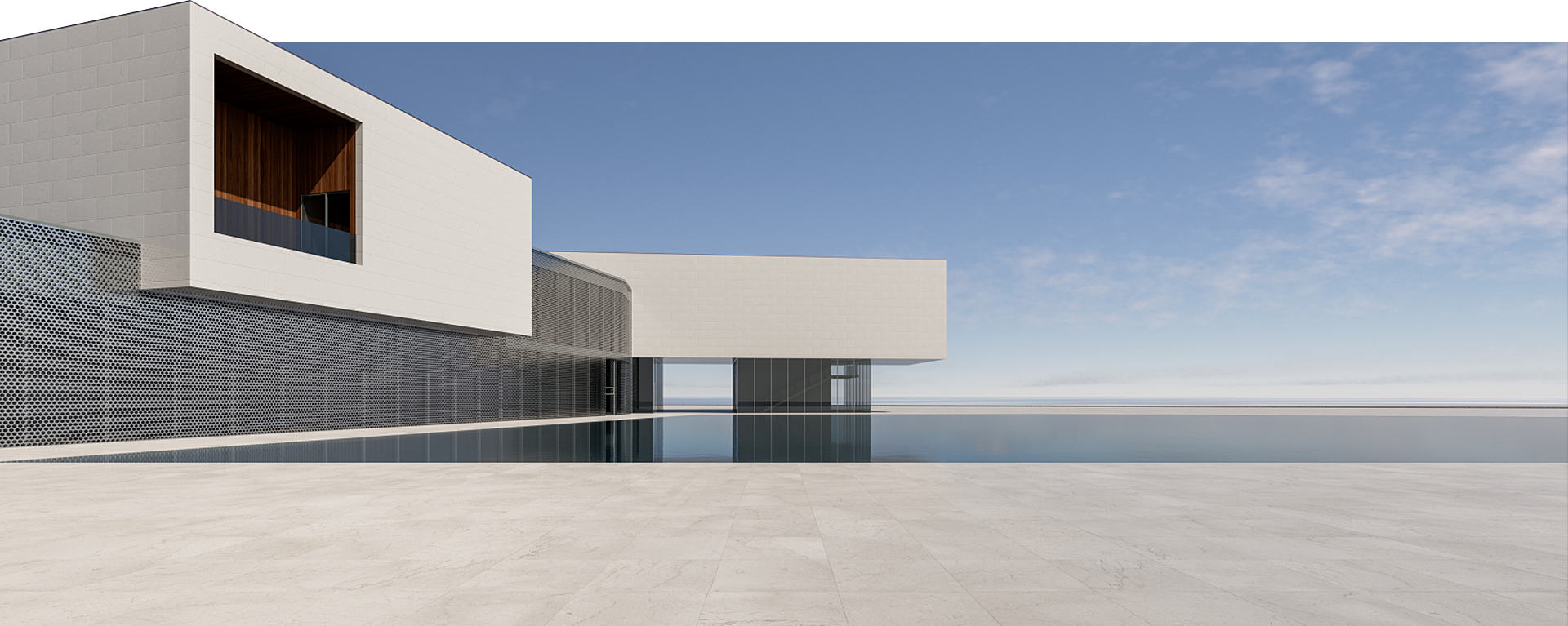
Мы полностью поддерживаем персонализированную настройку с точки зрения спецификаций, узоров, текстур, огнестойкости и форм.

Авторские права © Taizhou Jiaxin New Material Technology Co., Ltd.
Все права защищены.
