 English
 中文简体
中文简体 Español
 عربى
عربى русский
Exterior Aluminum Composite Panel Coating and Finish
Exterior Aluminum Composite Panel coating has an important role in both visual appearance and outdoor use. The coating forms the visible surface of the aluminum panel and influences color, gloss, texture, and interaction with natural light.
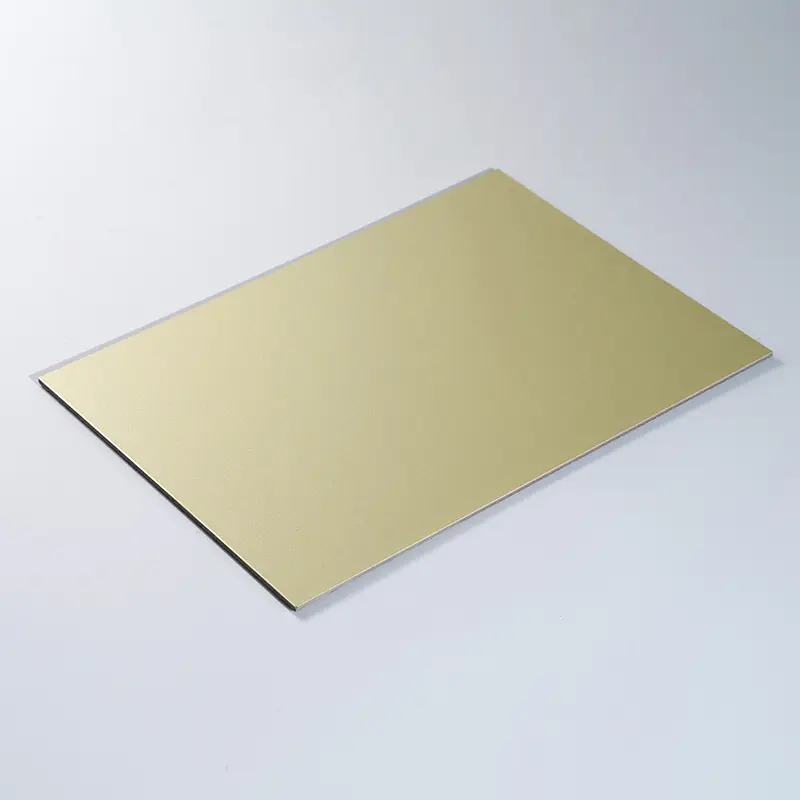
For exterior architecture, the coating also needs to correspond with environmental exposure. Sunlight, rain, humidity, dust, and pollution can affect the surface during long term building use.
Selecting a coating should therefore involve both design and technical considerations.
PVDF Coating for Exterior Projects
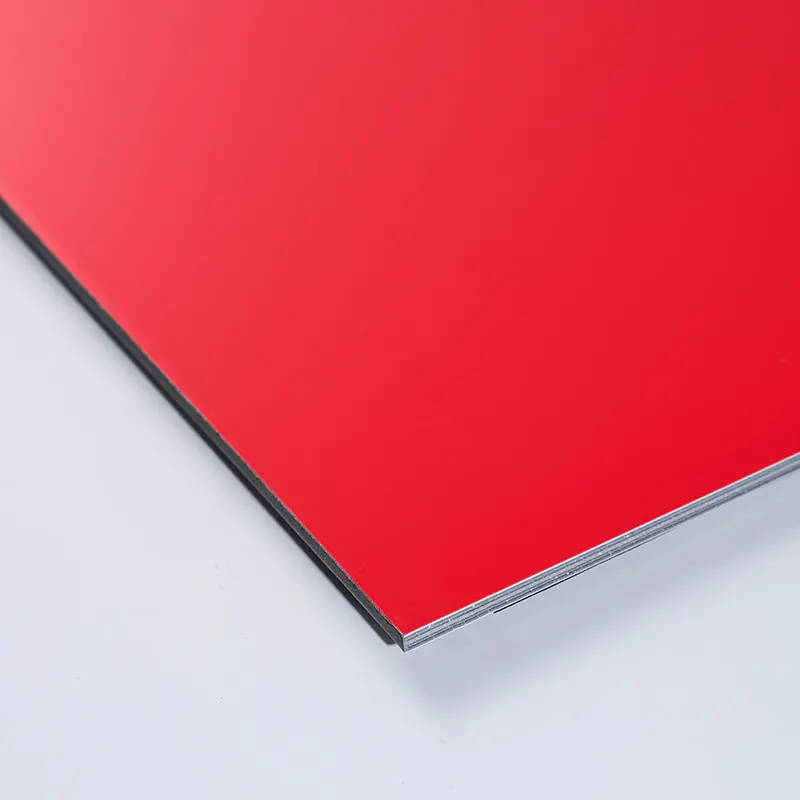
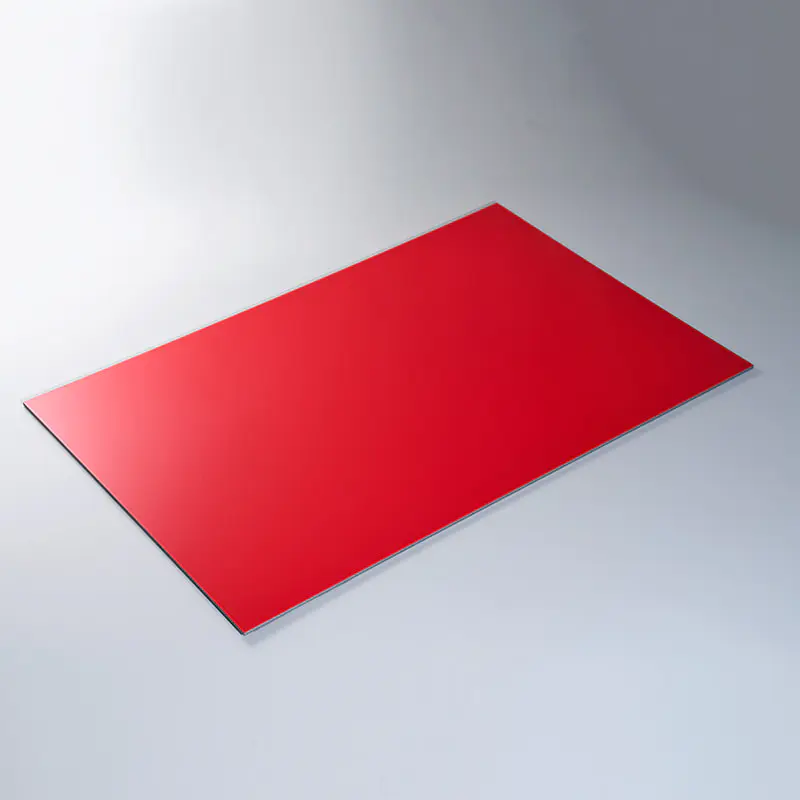
PVDF coating is commonly associated with architectural exterior applications. It can be supplied in a range of colors and surface appearances for facade projects.
Designers may select solid, metallic, matte, or other decorative effects depending on the building concept.
For outdoor applications, buyers can review the coating specification in relation to UV exposure, weather conditions, cleaning requirements, and expected service environment.
The coating should be evaluated together with the aluminum surface and panel construction rather than as an isolated feature.
PE Coating and Application
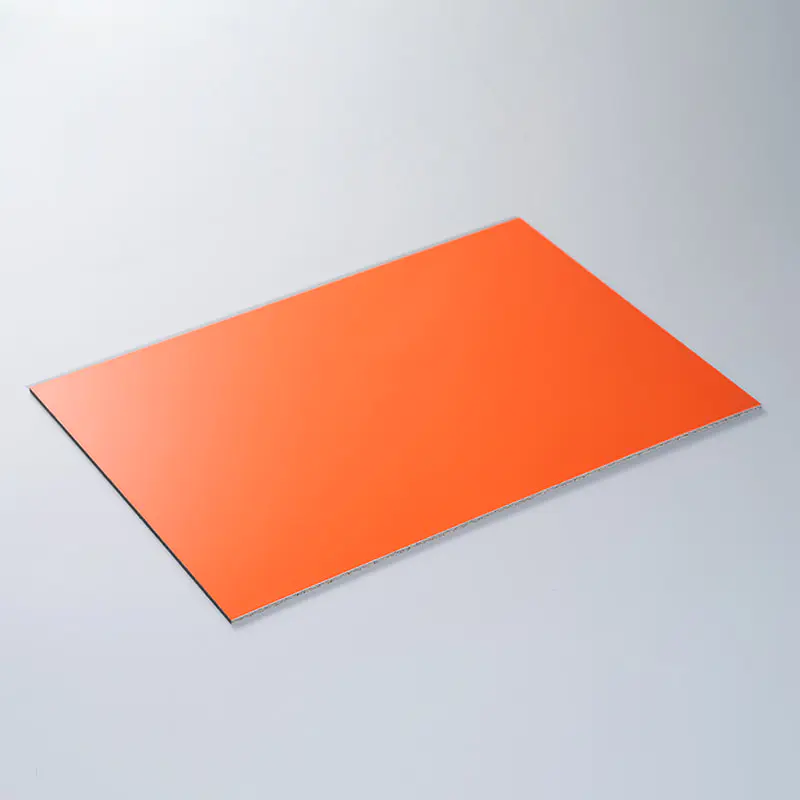
PE coating is another coating option used with aluminum composite panels. It is commonly associated with interior decoration and applications where outdoor exposure is limited.
Interior wall panels, ceilings, retail displays, decorative structures, and other sheltered areas may use PE coated surfaces according to the product specification.
For projects where panels will be exposed to direct sunlight, rain, or demanding outdoor conditions, buyers should review whether the selected coating system is suitable for that environment.
Anodized Surface Appearance
Anodized aluminum has a surface treatment process that differs from painted coating systems.
An anodized appearance can provide a metallic architectural effect and may be considered for projects where the visual character of aluminum itself is important.
When comparing anodized surfaces with coated ACP, buyers can examine color, texture, reflection, environmental exposure, and maintenance requirements.
The final choice should correspond with the building design and technical specification.
Exterior Surface Finish Options
Aluminum Composite Panel Finishes can significantly change the appearance of a building facade.
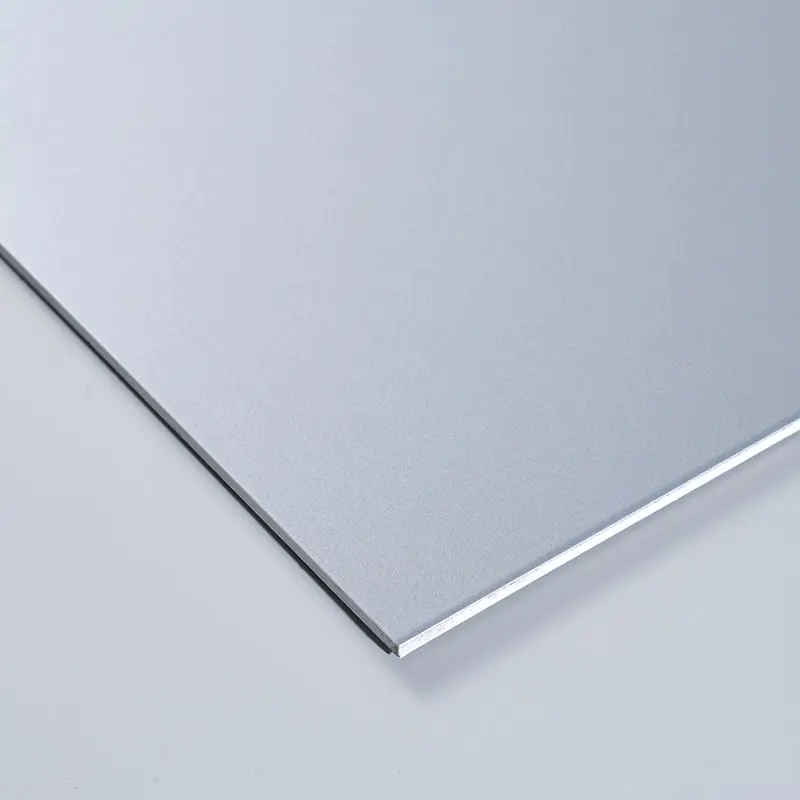
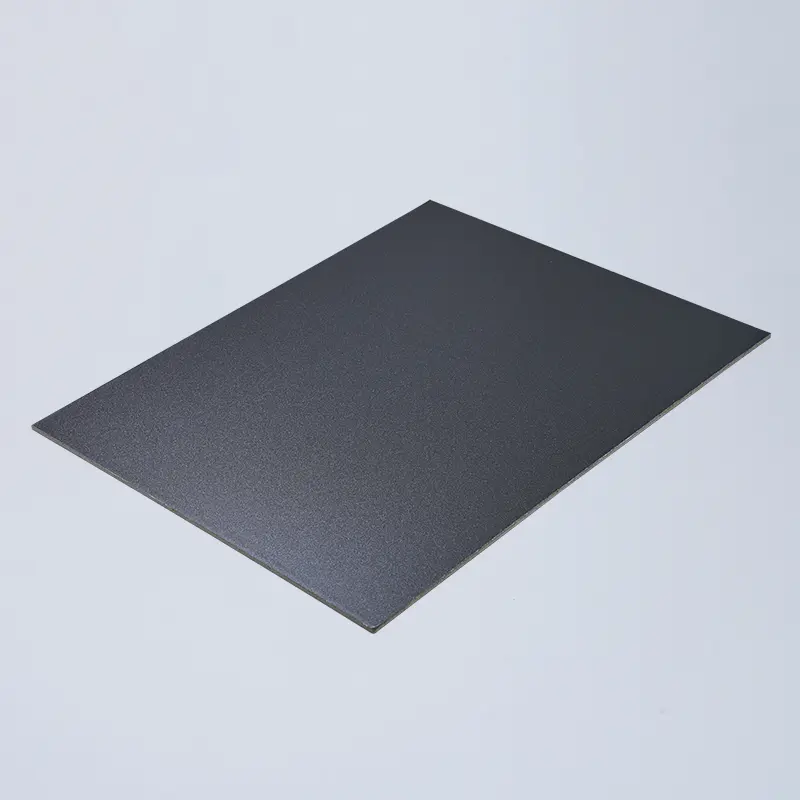
Matte finishes provide a softer visual effect and can reduce strong reflection. Gloss finishes create a brighter surface.
Metallic finishes can interact with sunlight and appear different according to viewing direction and surrounding light.
Brushed finishes contain visible linear texture. Their grain direction should be coordinated during installation.
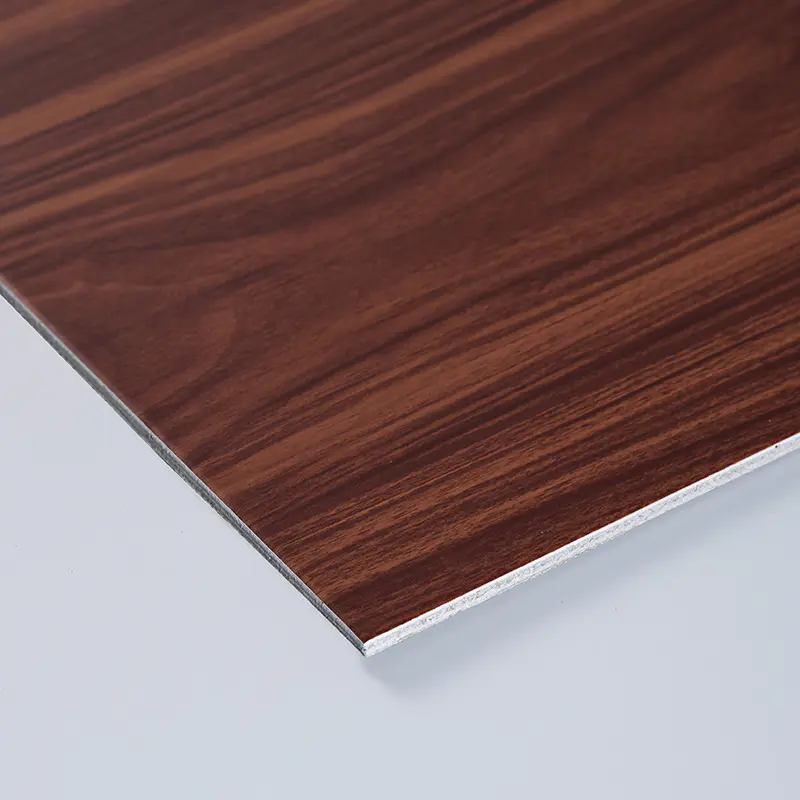
Wood grain, marble, and stone finishes provide decorative alternatives for projects that require a material inspired appearance.
Color Selection
Color selection should involve more than choosing a name from a digital catalog.
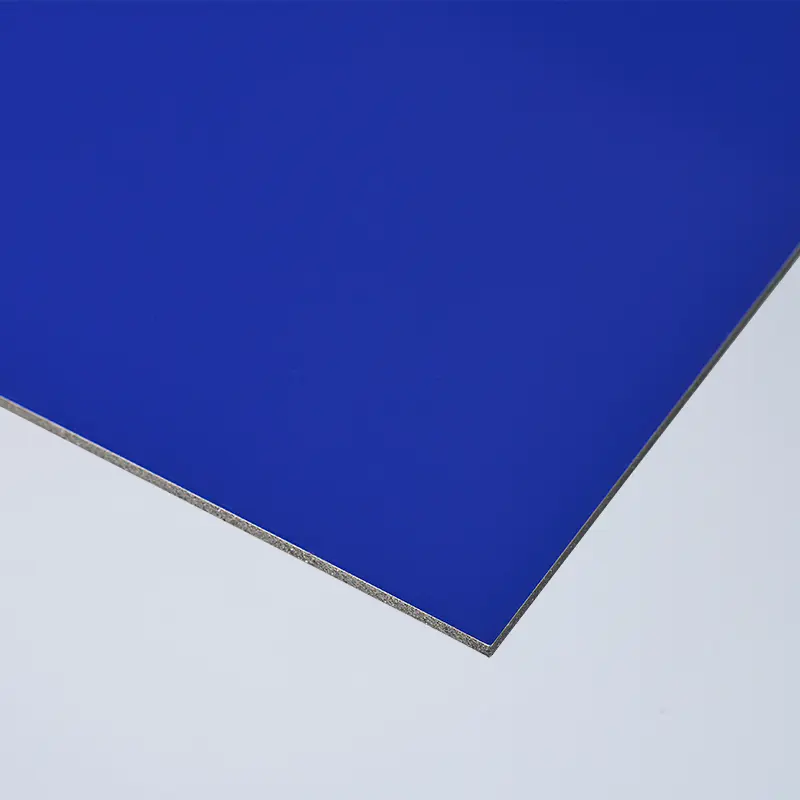
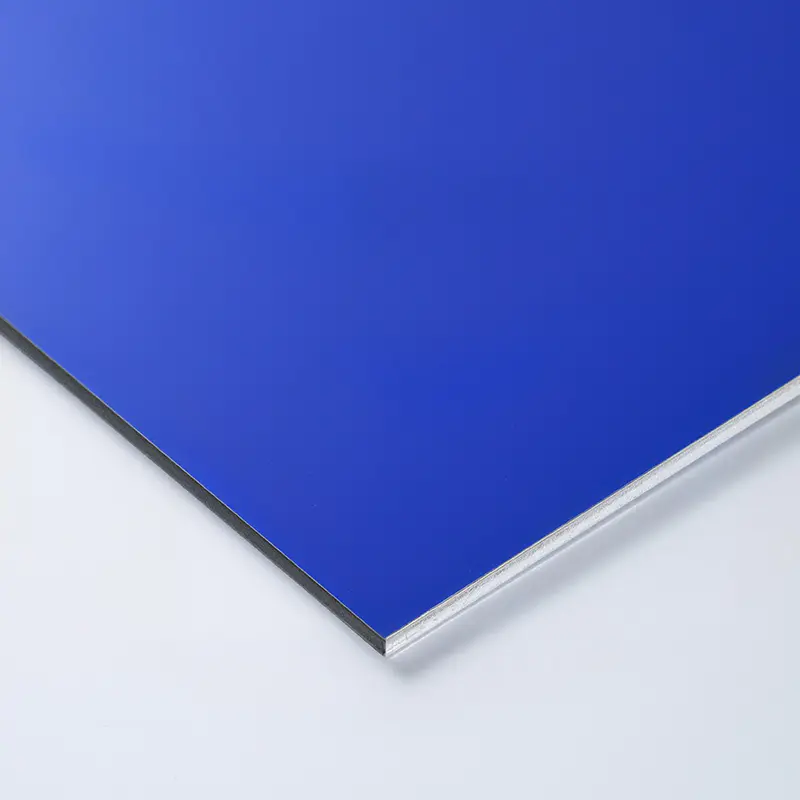
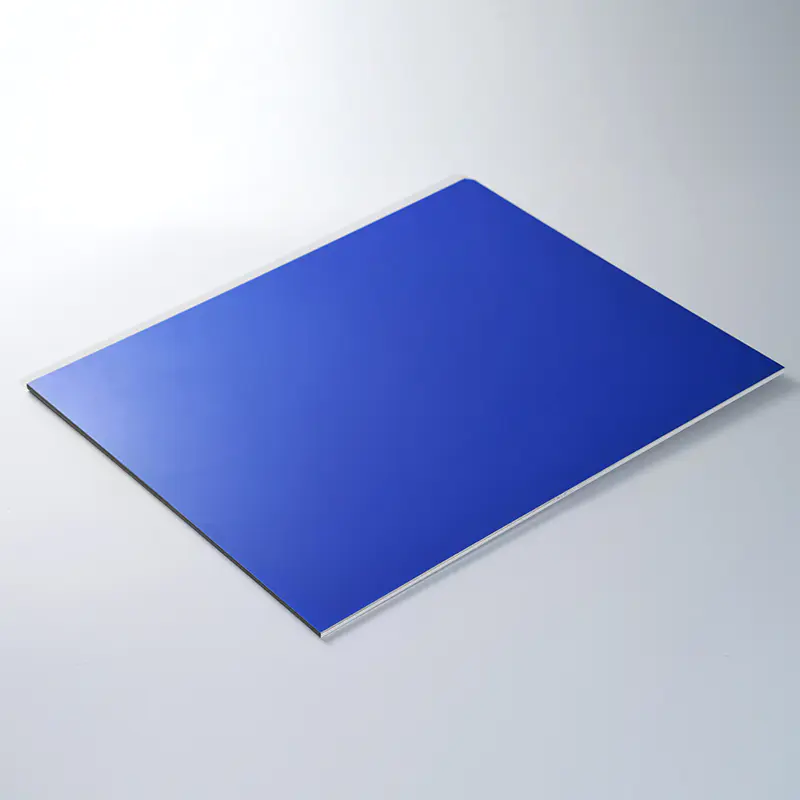
Common design directions include white, black, gray, silver, bronze, gold, blue, green, and other custom shades.
Metallic colors can show visual changes under different lighting conditions. Patterned surfaces such as wood grain and marble also involve texture and pattern direction.
RAL or Pantone references may be used during design communication. Physical samples remain useful when appearance consistency is important.
Gloss and Reflection
Gloss level affects how a panel interacts with light.
Matte surfaces generally have limited reflection. Satin surfaces offer a moderate visual effect, while gloss surfaces produce stronger light reflection.
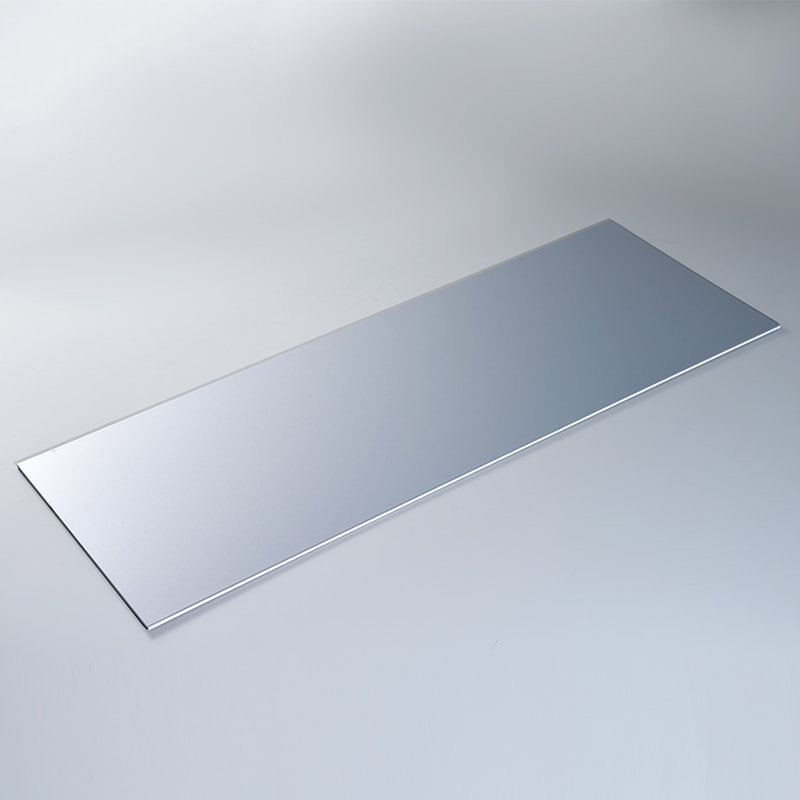
Reflective and mirror style finishes create another appearance category and may be selected for decorative architectural areas.
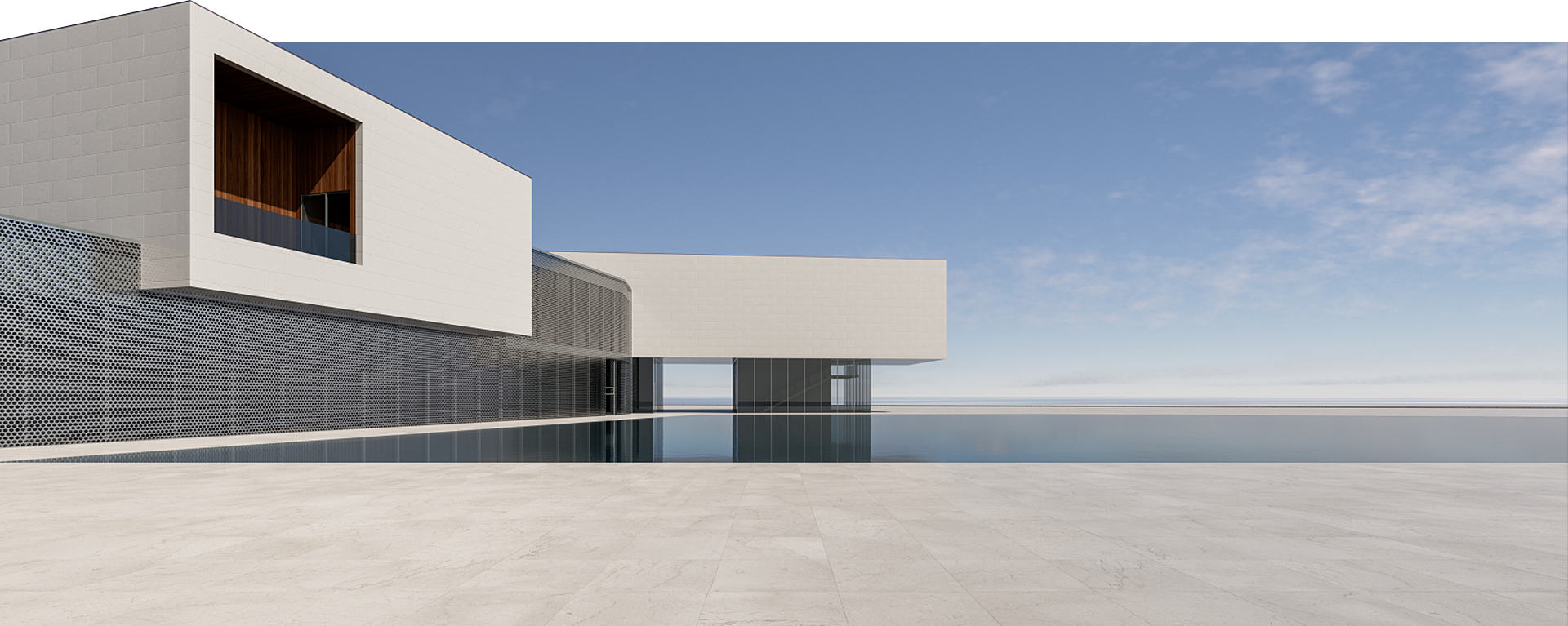
For an exterior project, the position of the building, surrounding structures, and daylight conditions should be considered when reviewing the surface effect.
Weather Exposure
Coating selection should reflect the local environment.
Buildings exposed to strong sunlight require attention to UV conditions. Rain and humidity can influence surface cleaning and long term appearance.
Dust and pollution may accumulate on exterior walls. In areas with frequent environmental contamination, the maintenance plan should be considered during finish selection.
Coastal locations may involve salt exposure, which makes surface protection and material compatibility important factors.
Cleaning and Surface Care
Different finishes can have different cleaning requirements.
Dust can usually be removed using a suitable cleaning process specified for the panel surface. Abrasive materials should be avoided when they are not approved for the coating.
Metallic and gloss finishes may make certain marks more visible. Textured surfaces may require additional attention during cleaning.
A maintenance team should use cleaning products compatible with the selected coating system.
Selecting the Right Finish
For an Exterior Aluminum Composite Panel project, buyers can review coating type, color, gloss, texture, environmental exposure, fire requirements, installation method, and maintenance conditions together.
A clear finish specification can help designers, purchasers, fabricators, and installers maintain the same understanding of the selected panel throughout the project.
-
 Алюминиевая композитная панель B1 с классом огнестойкости
 -
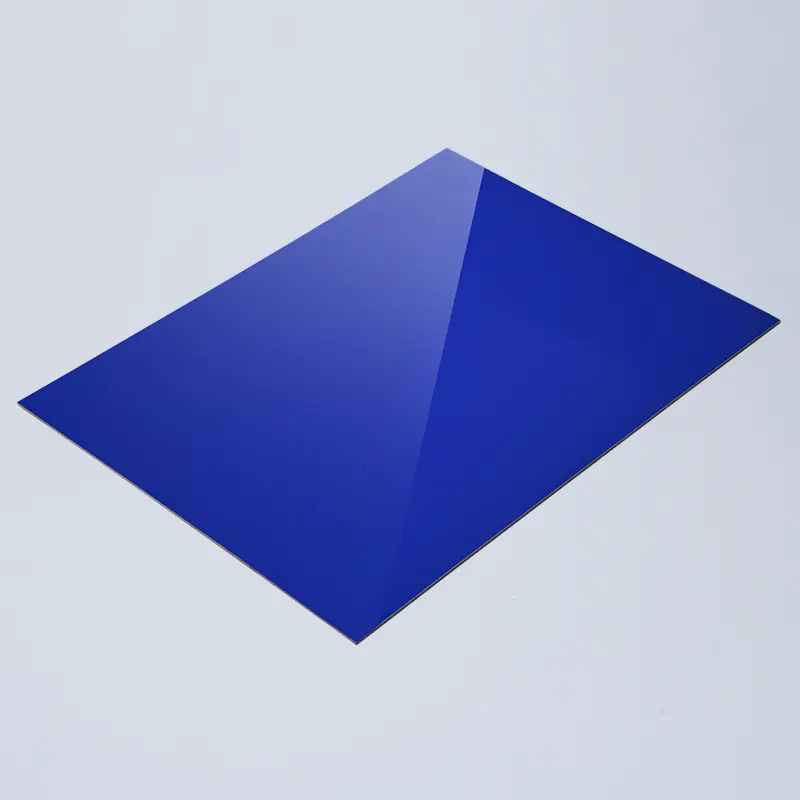 Вывеска светового короба Алюминиевая композитная панель
 -
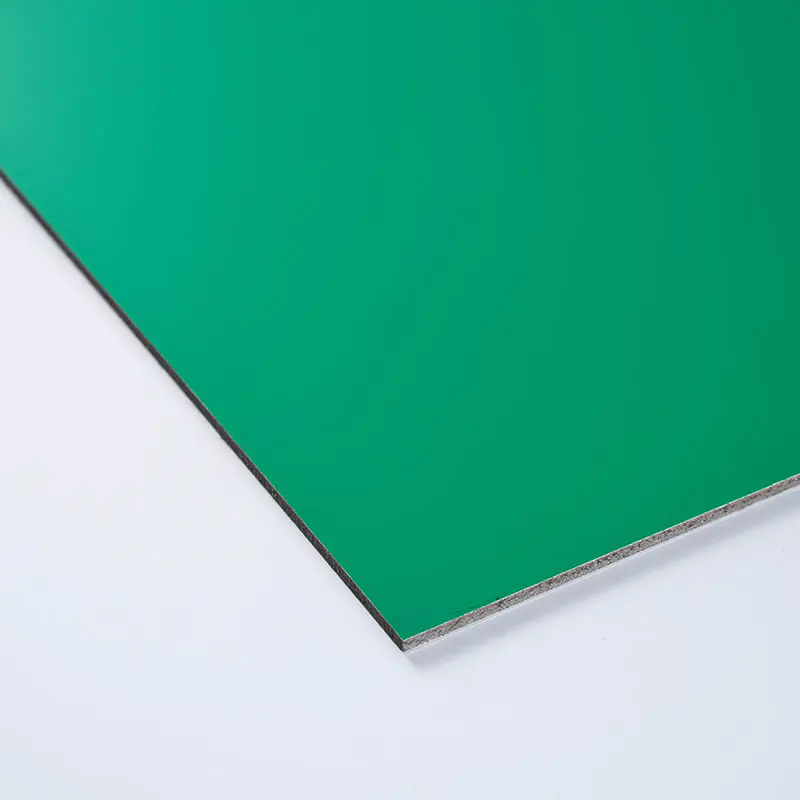
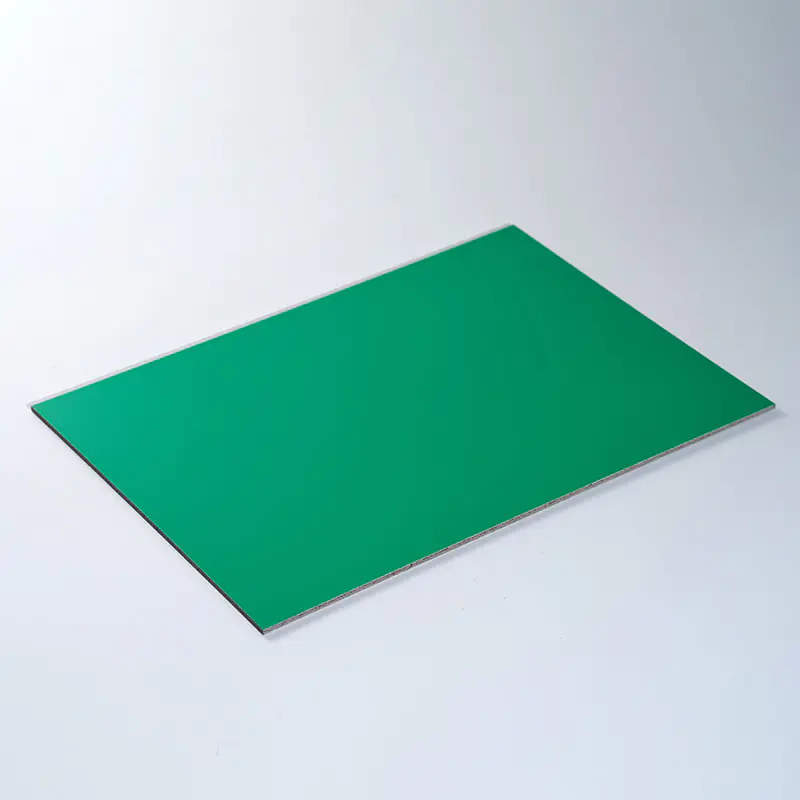 Алюминиевая композитная панель для общих вывесок
 -
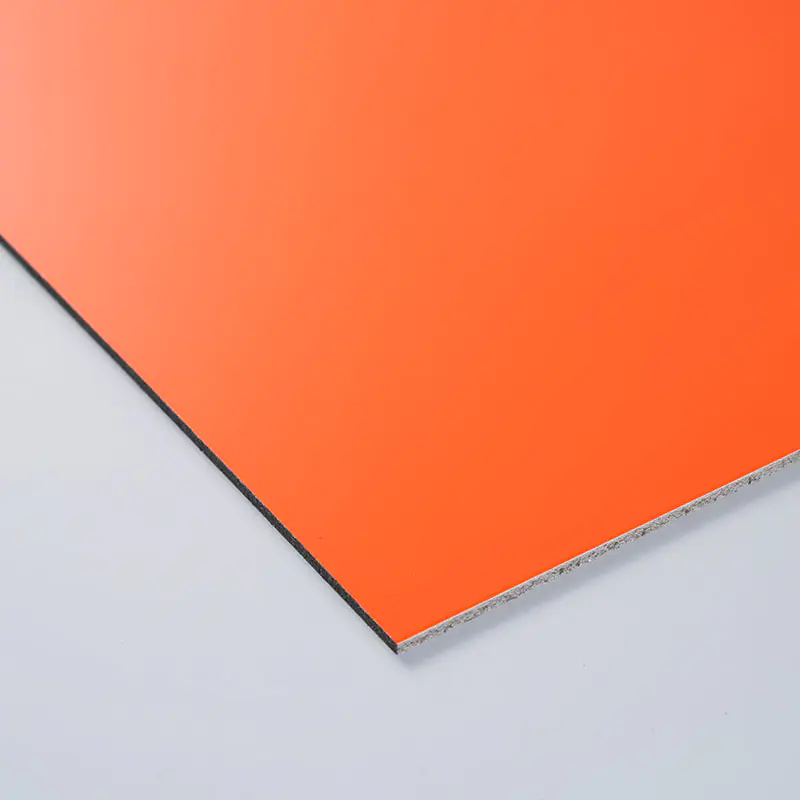
 Композитная панель из полиэтилена и алюминия
 -
 Композитная алюминиевая панель ПВДФ
 -
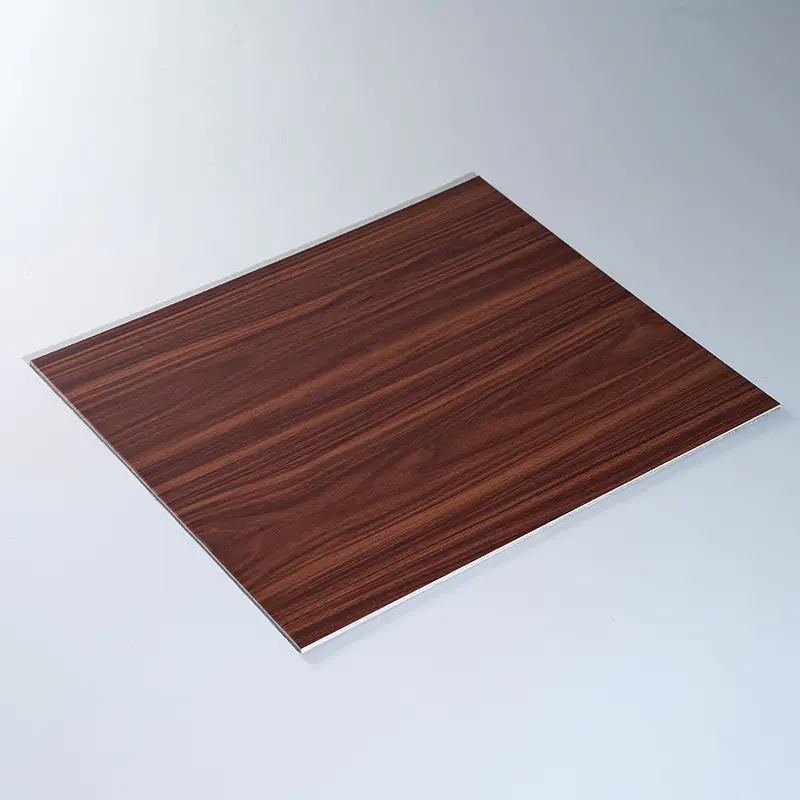 Алюминиевая композитная панель с текстурой дерева
 -
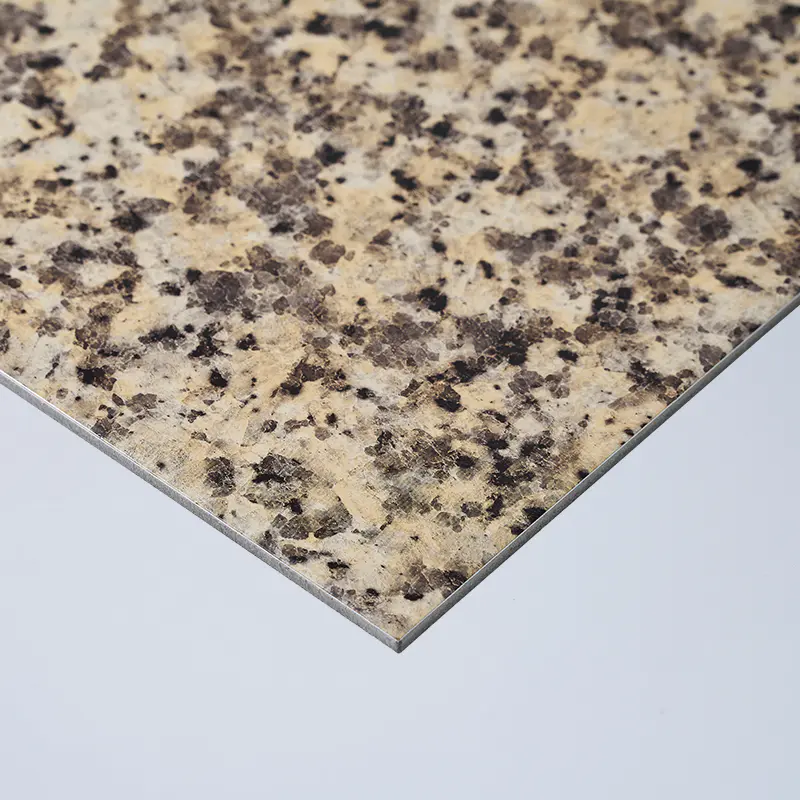
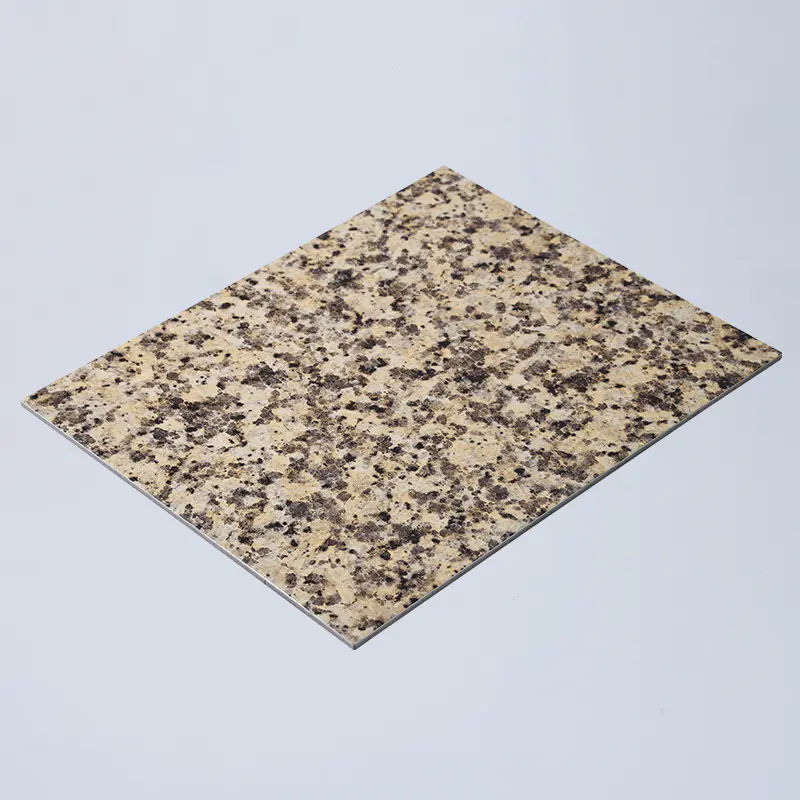 Алюминиевая композитная панель с гранитной отделкой
 -
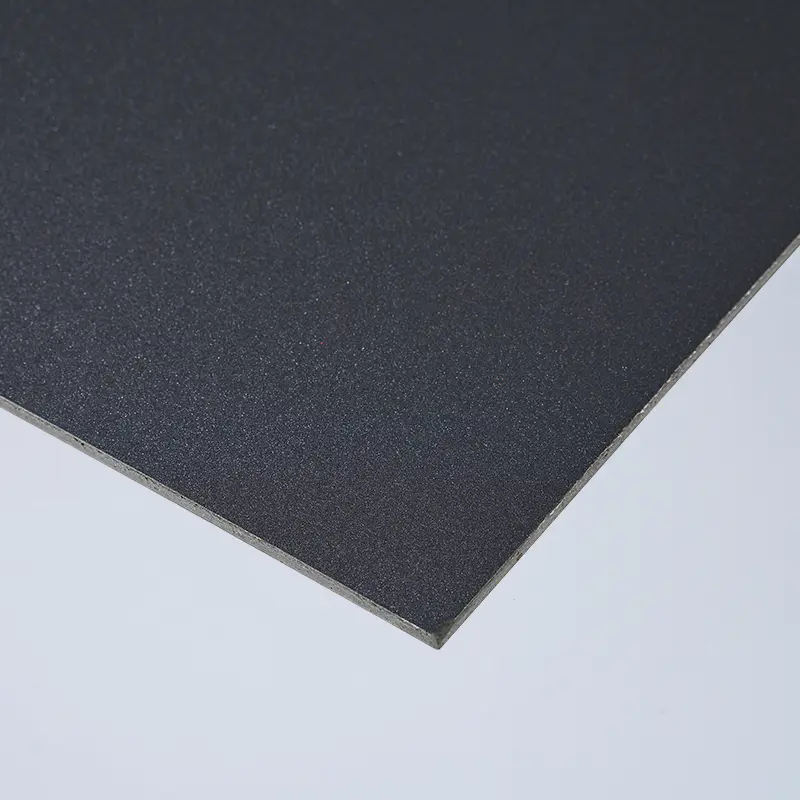
 Перламутровая алюминиевая композитная панель
 -
 Алюминиевая композитная панель с матовой отделкой
Мы полностью поддерживаем персонализированную настройку с точки зрения спецификаций, узоров, текстур, огнестойкости и форм.

Авторские права © Taizhou Jiaxin New Material Technology Co., Ltd.
Все права защищены.
